
Tip Jar #10: Washing dishes / (“Washed” vs Clean)
If you run any type of successful restaurant, chances are your team is washing dishes throughout the day…A LOT of dishes! From open to close, there are dishes of all shapes and sizes, and for all types of purposes. Washing produce, chopping vegetables, mixing, blending, cooking and holding product. Fresh product, raw product, “Ready-to-Eat” product and the list goes on. Drink dispensers, nozzles, ice cream machines, coffee machines…you get the picture. Then there are all the Health Code requirements and Food Safety guidelines that must be followed. Who is accountable and responsible for confirming that all of these processes and procedures are being completed properly, each and every time? It only takes one occurrence to shut you down, interrupt your business and impact your reputation and long-term business success.
Let’s look at some of the pitfalls associated with keeping your small wares and equipment clean and sanitized and what steps can be taken to mitigate the risks associated with food-borne illnesses.
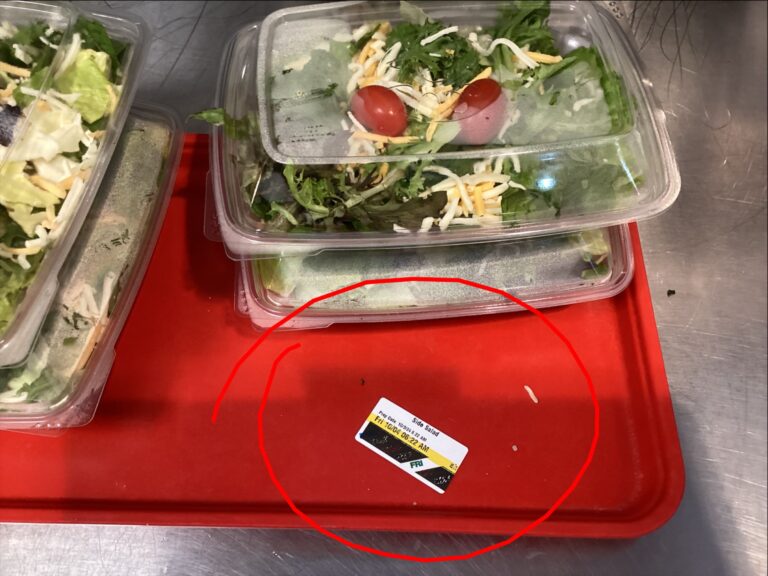
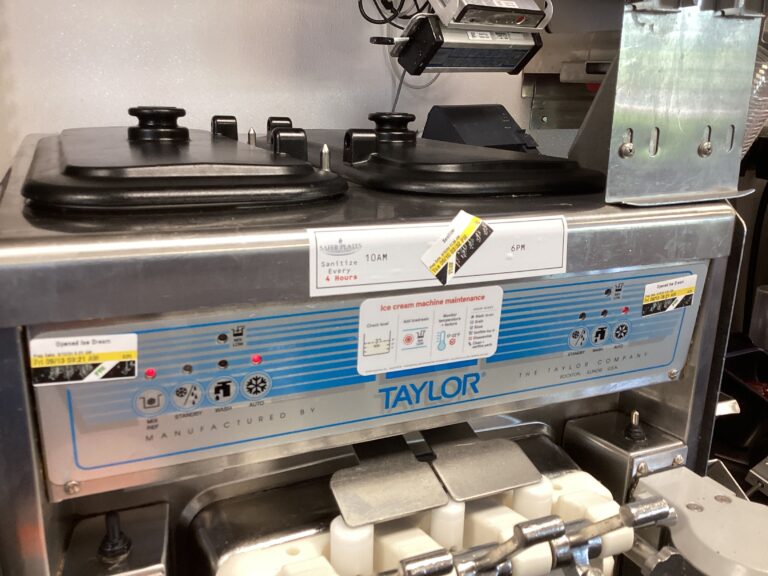
Attached is a basic Dishwashing SOP(Standard Operating Procedure). We have redlinedthis document to address common pitfalls that occur and provided photos of what can happen when Food Safety is not prioritized with documentation and team-wide accountability.
Standard Operating Procedure (SOP) for Proper Dishwashing and Sanitizing in a Restaurant Kitchen
Purpose: To ensure all dishes, utensils, and kitchen equipment are properly cleaned and sanitized to maintain food safety and hygiene standards.
Scope: This SOP applies to all kitchen staff responsible for dishwashing and sanitizing in the restaurant.
Procedure:
Preparation:
- Wear appropriate personal protective equipment (PPE) such as gloves and aprons. (Never wear YELLOW aprons or gloves to wash dishes – these are only to be used in “RAW” areas of the kitchen)

Ensure the dishwashing area is clean and organized.
Check that all necessary cleaning supplies and sanitizers are available. The results.
Dishwashing Steps:
Pre-rinse: Scrape off food debris from dishes and utensils into a waste bin. Pre-rinse items with warm water to remove loose particles.
Washing: Use a three-compartment sink or a commercial dishwasher. In the first sink, wash items with hot water (at least 110°F) and a suitable detergent. Scrub thoroughly to remove grease and food residues.
Rinsing: In the second sink, rinse items with clean, hot water to remove detergent and remaining food particles.
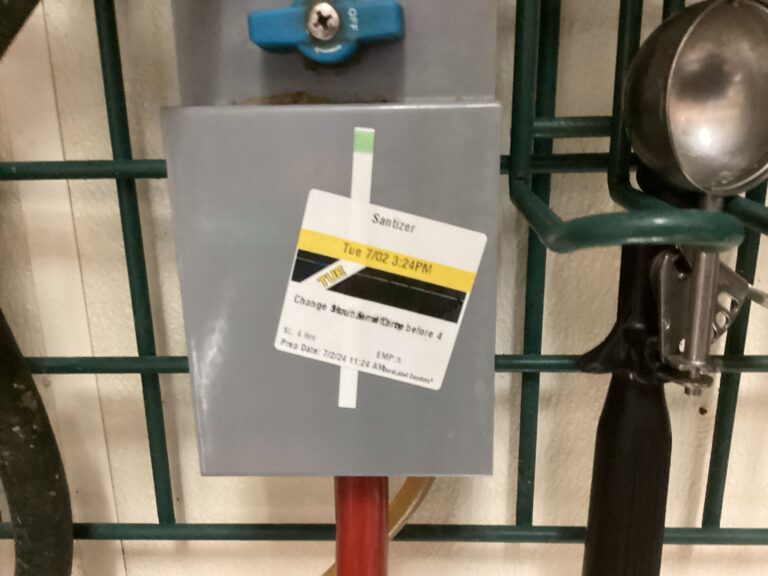
Sanitizing: In the third sink, immerse items in a sanitizing solution (e.g., QAC solution with a concentration of 150-400 ppm) for at least one minute. Alternatively, use a commercial dishwasher with a sanitizing cycle.
ALWAYS use proper test strips, confirm Sanitizer concentration levels, then document the results. (See attached suggested procedure)

Air Drying: Place sanitized items on a clean drying rack or surface. Allow them to air dry completely. Do not use towels to dry items, as this can introduce contaminants. Confirm that dishes are COMPLETELY dry prior to sacking to avoid “wet nesting” / water sitting on/in dishes leading to potentially explosive bacteria growth.

Drying and Storing Clean Dishes:
When dishwashing is complete dry and store dishes properly. Always store clean dishes “inverted” to avoid debris falling into clean dished.

Always confirm dishes are CLEAN not just washed. Look for any debris, food particles or food labels that may have been missed.

Monitoring and Documentation:
- Regularly check the concentration of the sanitizing solution using test strips.
- Maintain a log of dishwashing and sanitizing activities, including the date, time, and staff responsible.
Training:
- Provide regular training to kitchen staff on proper dishwashing and sanitizing procedures.
- Ensure staff understand the importance of following the SOP to prevent foodborne illnesses.
Responsibilities:
- The kitchen manager is responsible for ensuring compliance with this SOP.
All staff is responsible for Food Safety all the time…when building a culture of Food Safety, everyone must be involved, and everyone must be accountable.