
Tip Jar #8: Inclement Weather/Unplanned Closing Product Review
Inclement weather or unexpected closures can disrupt normal business operations, leaving your team scrambling to close up shop safely. While standard closing procedures ensure your store looks ready for the next day, lost sales and prolonged closures can impact your inventory—especially fresh, frozen, and prepared products. If not managed properly, expired products and unadjusted production cycles can lead to financial loss and unnecessary waste.
The key to minimizing this impact is a well-structured Standard Operating Procedure (SOP) for product expiration reviews. A simple, clear, and well-communicated SOP ensures your team knows what to do before closing and reopening. This process helps protect your inventory, prevent unnecessary waste, and maintain smooth operations. Let’s dive into a step-by-step guide to conducting a proper product expiration review.
Key Takeaways
- Conduct product expiration reviews twice—once before closing and again before reopening.
- Check expiration dates and product conditions to prevent serving or selling expired goods.
- Adjust inventory and production levels based on lost sales and prolonged closures.
- Reduce waste by donating cooked perishable items before they expire.
- Update records and improve SOPs for better preparedness in future closures.
Step-by-Step Guide: Conducting a Product Expiration Review
This process should be completed twice:
- Before closing (due to inclement weather, power outages, or other emergencies).
- Before reopening (to ensure all products are safe and inventory is adjusted accordingly).
1. Identify Products for Review
Make a list of all inventory items that need to be checked, including perishable, frozen, and prepared products. Focus on items with short shelf lives and high turnover rates.
2. Check Expiration Dates
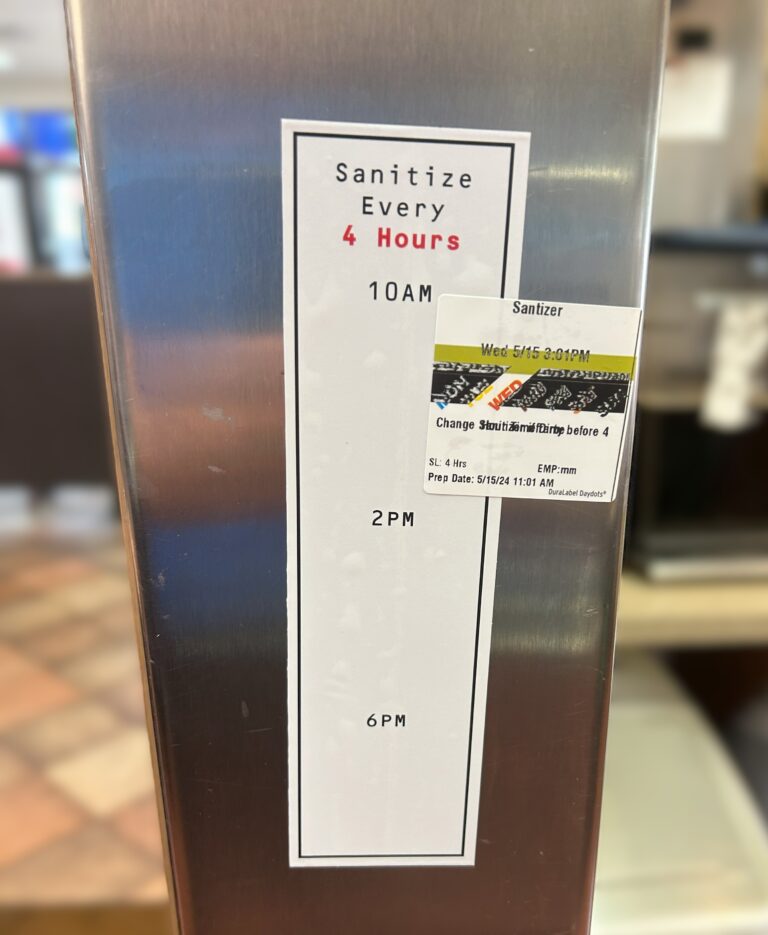
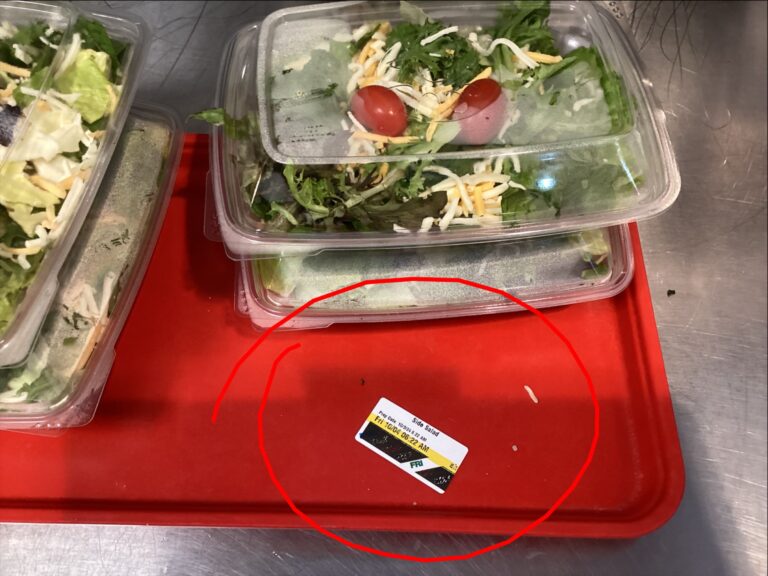
Review expiration labels on all products. Highlight anything that is:
- Expired (must be removed immediately).
- Near expiration (may need to be used quickly or repurposed).
- Safe for extended storage (products that will remain usable after the closure).
3. Inspect Product Condition
Even if a product is within its expiration date, inspect its physical condition. Look for spoilage, freezer burn, or other signs that it may not be suitable for sale or use.
4. Document Findings
Record the expiration status and condition of each item. Keeping a clear inventory record helps with future ordering, prevents unnecessary waste, and ensures compliance with food safety guidelines.
5. Remove Expired Products
Safely dispose of any products that have expired or will expire before they can be used. Make sure to follow proper disposal guidelines, especially for perishable and hazardous waste.
6. Utilize Expiring Products to Reduce Waste (Next-Level Tip!)
If possible, cook raw food that’s close to expiring and donate it to employees or local charities. This minimizes waste and can even be a potential tax write-off for your business.
7. Notify Production Team
Communicate with your production team about inventory changes:
- Which products need replacement?
- Should menu production be adjusted or delayed to use up current supplies?
8. Adjust Inventory for Lost Sales
Extended closures mean fewer sales. Adjust future orders and restock levels to reflect the reduced demand, preventing overstocking and unnecessary waste.
9. Restock Inventory Before Reopening
Plan for replacements of expired or near-expiration items before reopening. The last thing you want is to discover key ingredients are unavailable when you resume business.
10. Update Inventory Records
Ensure your inventory management system reflects all changes, including lost products, adjusted stock levels, and upcoming restocks. Accurate records help prevent miscounts and ensure smoother operations.
11. Review & Improve the Process
Once operations resume, evaluate your product expiration review process. Were there any gaps? Did your team follow the SOP efficiently? Adjust and improve the procedure for better preparedness next time.
Final Thoughts
Unplanned closures due to inclement weather or power outages can create chaos if your business isn’t prepared. By conducting a structured product expiration review, you protect inventory, reduce waste, and prevent financial loss. Ensuring your team follows a clear SOP for closing and reopening will keep your operations running smoothly—no matter what unexpected events come your way.
By implementing these steps, you’ll not only safeguard your bottom line but also create a more resilient business. Ready to optimize your emergency preparedness? Start refining your SOP today!
FAQs
How often should product expiration reviews be conducted?
At a minimum, before closing and reopening after an unplanned closure. However, regular reviews (weekly or bi-weekly) can help maintain inventory accuracy and reduce waste.
What should I do with near-expiration food that’s still safe to eat?
Consider cooking and donating it to employees or local charities. This minimizes waste and can potentially qualify as a tax-deductible donation.
How can I better prepare my business for emergency closures?
Develop a clear SOP for closures, train staff on procedures, and regularly review your emergency inventory strategy to ensure efficiency.
What’s the best way to track product expiration dates?
Use inventory management software or manual tracking systems with color-coded labels to quickly identify expiring items.
Should I reduce inventory levels ahead of predicted bad weather?
Yes, adjusting stock levels based on weather forecasts can help prevent excess waste and financial losses due to unexpected closures.